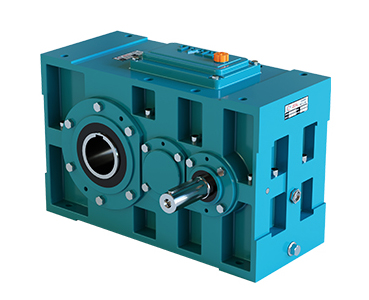
What is a Two-Stage Parallel Shaft Helical Gearbox with Hollow Output Shaft?
This type of gearbox utilizes two sets of helical gears to reduce speed and increase torque, with parallel input and output shafts. The hollow output shaft allows for direct mounting onto a driven shaft, simplifying installation and enhancing compactness.
What does ‘universal mounting’ mean for this gearbox?
Universal mounting means the gearbox can be mounted in various orientations and positions, offering flexibility in installation. This makes it adaptable to a wide range of industrial applications where space and configuration are critical considerations.
What are the typical applications for this type of gearbox?
These gearboxes are commonly used in conveyors, mixers, pumps, material handling systems, and other industrial machinery that requires high torque, efficient power transmission, and versatile mounting options.
What are the benefits of a hollow output shaft?
A hollow output shaft allows for direct mounting onto the driven shaft without the need for additional couplings or adapters. This design simplifies installation, reduces misalignment issues, and enhances the overall compactness of the system.
How does the two-stage design benefit this gearbox?
The two-stage design provides greater torque and reduction ratios compared to single-stage gearboxes. It also distributes the load across multiple gear sets, reducing wear and extending the lifespan of the gearbox.
What are the advantages of using a Two-Stage Parallel Shaft Helical Gearbox with Universal Mounting?
The key advantages include high efficiency, compact design, versatile mounting options, and the ability to handle high torque loads. The helical gears ensure smooth operation with minimal noise and vibration.
What materials are used in the construction of this gearbox?
The gearbox typically features high-strength alloy steel for gears and shafts, with a housing made from cast iron or steel. The hollow shaft is also crafted from durable materials to withstand high loads and provide long-lasting performance.
What should be considered when selecting this gearbox for an application?
Important factors include the required torque and speed, the reduction ratio, the specific mounting configuration, and the type of load. The environmental conditions, such as temperature and exposure to corrosive elements, should also be considered.
What are the maintenance requirements for this gearbox?
Regular maintenance involves checking lubrication levels, inspecting the gears and bearings for wear, and ensuring proper alignment. For gearboxes with hollow shafts, it’s also important to monitor the connection with the driven shaft to prevent slippage or wear.
Can this gearbox be customized?
Yes, customization options may include different gear ratios, housing materials, and specialized hollow shaft configurations to suit specific applications. Cooling systems and lubrication options can also be tailored to meet operational demands.
How does the helical gear design improve gearbox performance?
Helical gears have angled teeth that engage gradually, resulting in smoother power transmission, reduced noise and vibration, and increased load-carrying capacity. This design makes the gearbox more efficient and durable.
What cooling options are available for this type of gearbox?
Cooling options can include natural air cooling, forced air cooling, or water cooling, depending on the operating conditions and the amount of heat generated. Proper cooling is essential for maintaining performance and extending the gearbox’s life.
What common issues can arise with a Two-Stage Parallel Shaft Helical Gearbox with Hollow Output Shaft?
Common issues include misalignment, wear on gears or bearings, overheating, and lubricant leaks. Regular inspection and preventive maintenance can help mitigate these problems.
How should this gearbox be installed?
Installation should follow the manufacturer’s guidelines, ensuring accurate alignment, secure mounting, and proper lubrication. Special attention should be given to the hollow output shaft connection to ensure it is securely mounted onto the driven shaft.
What is the typical lifespan of this type of gearbox?
The lifespan depends on factors such as the application, operating conditions, and maintenance practices, but with proper care, these gearboxes can last many years.
What are the typical gear reduction ratios available in this type of gearbox?
The reduction ratios can vary widely, typically ranging from 10:1 to 200:1, depending on the specific design and application needs.