
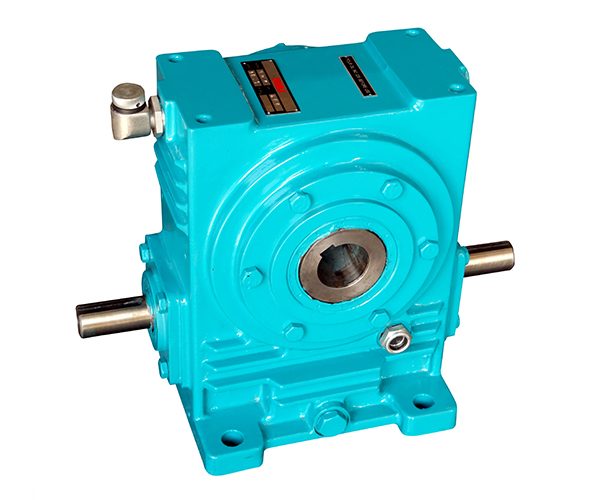
Worm Reduction Gear Box
Zeal Gears Pvt Ltd presents a superior line of gear box as ‘Worm Extruder Gear Box.’ These types of gear boxes are widely appreciated due to high reliability. This compactly designed product is capable of transferring high torque.
Zeal Worm Extruder Gear Boxes are available with different specifications like a mounting option, shaft configurations and motor interface with custom solutions. And due to these unmatched features, they can be fitted in any application. Further, this gearbox can be availed in various input and output mounting options. This worn gear unit has the helical gear and flanged mounting as well.
This gearbox is popular in the market due to its high load carrying capacity and high-efficiency features. Apart from this, this gearbox can give you higher productivity with low maintenance and power-saving option. Its gear is manufactured using high-quality steel which is case hardened.
If you are searching for a gear box with unbeatable features like small volume, high carrying capacity, stable transmission, low noise and high efficiency, then you can’t skip this excellent designed Worm extruder gear box.
Zeal Gears is a reliable and experienced Worm Extruder Gear Box manufacturer and supplier in Ahmedabad, India. Further, the price of this product is more competitive then market.
Specifications
- Easy mounting and linking
- Low operational cost
- Available with flange
- High torque transmission
- Modular design, wide transmission range
- High load capacity
- High in bearing capacity
Technical Features
- Configuration: worm shaft, worm gear, bearing, oil seal, housing
- Function: reduce speed
- Characteristic: Less noise and lower temperature increase
- Power –7 kw to 1500 kw
- Type – Worm
Applications
- Machinery
- Metallurgy
- Construction
- Irrigation
- Chemical industry
- Health care
- Culture
- Health and other industries
FAQ for Worm Reduction Gearbox
What is a Worm Reduction Gearbox?
A Worm Reduction Gearbox is a type of gearbox that uses a worm gear (a screw-like component) and a worm wheel (a toothed wheel) to achieve significant speed reduction and increased torque. The unique design of the worm gear allows for a high reduction ratio in a compact space.
What are the typical applications of a Worm Reduction Gearbox?
Worm Reduction Gearboxes are commonly used in applications where space is limited and high torque is required at low speeds. Typical applications include:
- Conveyors
- Elevators and lifts
- Cranes and hoists
- Automated gates and barriers
- Mixers and agitators
- Material handling equipment
- Packaging machinery
What are the advantages of using a Worm Reduction Gearbox?
- High Reduction Ratio: Can achieve significant speed reduction in a single stage.
- Compact Design: Provides high torque output in a relatively small footprint.
- Self-locking Capability: The design often prevents the reverse driving of the worm gear, which can enhance safety in certain applications.
- Smooth and Quiet Operation: Worm gears typically produce less noise and vibration compared to other gear types.
- Durability: Suitable for heavy-duty applications and can handle shock loads well.
How does a Worm Reduction Gearbox work?
The gearbox works by the worm gear (input) driving the worm wheel (output). As the worm gear rotates, it turns the worm wheel, which reduces the speed and increases the torque of the output shaft. The angled nature of the worm gear teeth ensures smooth engagement with the worm wheel, resulting in efficient power transmission.
What materials are used in the construction of a Worm Reduction Gearbox?
- Worm Gear: Typically made from hardened steel or bronze to provide strength and reduce wear.
- Worm Wheel: Often constructed from bronze, cast iron, or aluminum bronze, which provides a good balance of strength, wear resistance, and reduced friction.
- Housing: Generally made from cast iron, cast steel, or aluminum for durability and heat dissipation.
- Bearings: Made from hardened steel to support rotating components and ensure smooth operation.
- Seals and Gaskets: High-quality materials resistant to oil, heat, and environmental factors to prevent contamination and leakage.
What factors should be considered when selecting a Worm Reduction Gearbox?
- Load Requirements: Maximum and average loads the gearbox will need to handle.
- Speed and Torque: Desired output speed and torque based on the specific application.
- Duty Cycle: Frequency and duration of operation, including peak load times.
- Space Constraints: The available space for the gearbox within the equipment.
- Environmental Conditions: Operating temperatures, exposure to dust, moisture, and corrosive elements.
- Efficiency: Worm gearboxes typically have lower efficiency compared to other gear types; consider the trade-off between space and efficiency.
What are the maintenance requirements for a Worm Reduction Gearbox?
- Regular Lubrication: Checking and replenishing the lubricant (usually oil) to ensure smooth operation and reduce wear.
- Routine Inspections: Periodic checks for wear, alignment, and any signs of damage or leakage.
- Temperature Monitoring: Ensuring operating temperatures remain within specified limits to prevent overheating.
- Seal and Gasket Checks: Inspecting for leaks and replacing worn or damaged seals promptly.
- Cleaning: Keeping the gearbox and surrounding areas free from dirt and debris to prevent contamination.
Can a Worm Reduction Gearbox be customized?
Yes, many manufacturers offer customization options such as:
- Specific Gear Ratios: Tailored to meet precise speed and torque requirements.
- Material Choices: Selecting materials suited for particular environmental conditions or performance needs.
- Mounting Options: Designed to fit unique structural configurations.
- Integrated Features: Incorporating additional components like cooling systems or torque arms.
- Size and Weight Constraints: Adapting designs to fit space and weight limitations of the application.
What are common issues that can arise with Worm Reduction Gearboxes, and how can they be addressed?
- Overheating: Can occur due to high friction in the worm gear setup. This can be mitigated by ensuring proper lubrication and, if necessary, adding cooling systems.
- Excessive Wear: Due to the high contact pressure between the worm and worm wheel. Regular lubrication and using materials like bronze for the worm wheel can help reduce wear.
- Efficiency Loss: Worm gearboxes typically have lower efficiency, particularly at high reduction ratios. Proper maintenance and selecting the correct lubricant can improve efficiency.
- Noise: Although generally quiet, misalignment or improper lubrication can lead to increased noise. Regular inspections and maintenance can prevent this issue.
How is a Worm Reduction Gearbox installed?
- Proper Alignment: Ensuring precise alignment between the gearbox and connected components to prevent undue stress and wear.
- Secure Mounting: Use appropriate mounting hardware and follow manufacturer guidelines for torque settings and support structures.
- Lubrication Setup: Fill with the recommended type and amount of lubricant before operation.
- Testing: Perform thorough testing under no-load and load conditions to verify correct installation and operation.
What is the expected lifespan of a Worm Reduction Gearbox?
The lifespan can vary based on factors like usage intensity, maintenance practices, and environmental conditions but typically ranges from 5 to 15 years or more with proper care and maintenance.
What gear reduction ratios are typically available for Worm Reduction Gearboxes?
Gear ratios can vary widely depending on the application, typically ranging from 5:1 to 100:1 or even higher. Worm gearboxes can achieve higher reduction ratios in a single stage compared to other gearbox types.
Why do Worm Reduction Gearboxes often have a self-locking feature?
The self-locking feature occurs because the worm gear’s angle of engagement with the worm wheel creates enough friction to prevent the worm wheel from driving the worm gear backward. This feature is particularly useful in applications like lifts or hoists, where it helps maintain position without requiring additional braking mechanisms.
What cooling options are available for Worm Reduction Gearboxes?
- Natural Air Cooling: Suitable for low to moderate load applications.
- Forced Air Cooling: Fans or blowers increase airflow over the gearbox for enhanced cooling.
- Oil Cooling Systems: Circulate oil through external coolers to dissipate heat effectively in high-load or continuous operation scenarios.
Are there any industry standards and certifications applicable to Worm Reduction Gearboxes?
Yes, worm gearboxes should comply with relevant standards such as:
- ISO Standards: Ensuring quality management and performance specifications.
- AGMA Standards: American Gear Manufacturers Association guidelines for gear design and manufacturing.
- CE Certification: Compliance with European safety and environmental regulations.
- OSHA Regulations: Meeting occupational safety standards in the workplace.
- Industry-Specific Standards: Such as those for material handling, construction, or automotive industries, depending on the application.
