
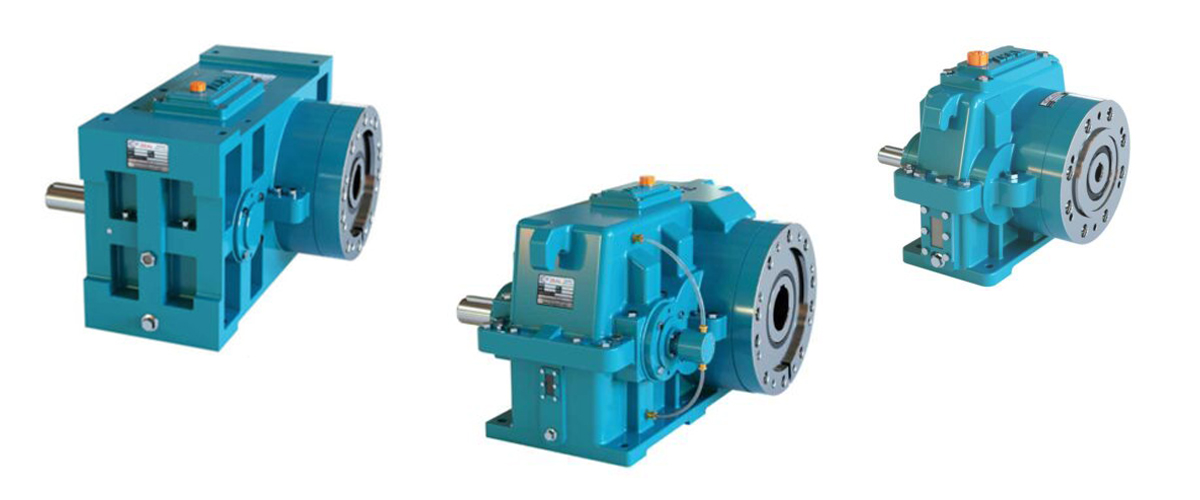
Did you know that over 70% of helical gearbox failures in plastic and rubber extrusion plants are directly linked to poor lubrication practices? Incorrect oil selection, missed change intervals, and contaminated lubricants silently destroy gearbox internals — leading to unexpected downtime, costly repairs, and lost production hours. Helical gearbox lubrication is not just about pouring oil and forgetting it. In an extrusion machine, the gearbox operates under constant heavy loads, high temperatures, and continuous duty cycles. The lubricant is working every second the machine runs. When lubrication fails, the gearbox fails — and so does your production line. In this ultimate guide, you will learn everything about lubricating helical gearboxes in extrusion machines — from choosing the right oil grade and viscosity to setting correct change intervals, understanding contamination risks, and avoiding the most common lubrication mistakes that maintenance teams make. According to industry maintenance studies, properly lubricated industrial gearboxes can last 2 to 3 times longer than those maintained with incorrect or infrequent lubrication. The investment in the right lubricant and maintenance schedule pays for itself within the first year of disciplined practice.
Why Lubrication is Critical for Helical Gearboxes in Extrusion Machines
Helical gearboxes are the heart of every extrusion machine. They transmit power from the motor to the screw, converting high-speed rotation into controlled, torque-heavy movement that pushes, melts, and shapes plastic or rubber compounds. This is a demanding, non-stop operation — and the lubricant inside the gearbox is what keeps it all from grinding to a halt.
What the Lubricant Actually Does Inside a Helical Gearbox
A gear oil inside a helical gearbox serves four simultaneous functions:
- Load Distribution: The oil film between helical gear teeth distributes contact stress evenly, preventing micro-pitting and surface fatigue on tooth flanks.
- Heat Dissipation: Extrusion gearboxes generate significant frictional heat. The lubricant absorbs and transfers that heat away from contact zones.
- Corrosion Protection: Moisture and process gases can cause internal condensation. A good gear oil contains anti-rust additives that protect gear and bearing surfaces.
- Contamination Suspension: The oil carries wear particles and debris away from gear surfaces toward the sump or filter, preventing abrasive damage.
The Unique Lubrication Demands of Extrusion Applications
Extrusion machines are not light-duty equipment. A twin-screw extruder processing compounded materials can place enormous continuous radial and axial thrust loads on the gearbox output shaft. This operating environment creates specific lubrication challenges:
- Temperature Extremes: The gearbox sits adjacent to a heated barrel. Ambient temperatures around the gearbox can rise well above 40°C, degrading oil viscosity faster than in standard industrial applications.
- Shock Loads: Material surges, hard starts, and viscosity changes in the melt can transmit shock loads back into the gearbox, stressing the oil film under the gear teeth.
- Long Duty Cycles: Continuous operation means the oil undergoes more oxidation cycles per year than in intermittent-use applications.
- Contamination Risk: In environments where plastic dust, rubber particles, or moisture enters through seals, oil degradation accelerates sharply.
The Cost of Getting Lubrication Wrong
The financial consequences of improper lubrication in an extrusion gearbox are significant:
- Premature gear tooth wear leading to noise, vibration, and eventual tooth fracture
- Bearing failure due to loss of oil film — the most common gearbox failure mode
- Seal degradation from incompatible or degraded oil chemistries
- Unplanned downtime during production, often at the worst possible moment
- Replacement cost of a helical gearbox for a medium-sized extruder typically ranges from Rs. 1.5 lakh to Rs. 8 lakh or more — far exceeding the cost of a proper lubrication programme
Types of Gear Oils and How to Choose the Right One
Not all gear oils are the same — and using the wrong one in an extrusion machine gearbox is one of the most expensive mistakes a maintenance team can make. Here is a complete breakdown of gear oil types, viscosity grades, and selection criteria.
Mineral vs. Synthetic Gear Oils
| Property | Mineral Gear Oil | Synthetic Gear Oil (PAO/PAG) |
| Base Stock | Refined petroleum | Chemically engineered molecules |
| Viscosity Index | 95–100 | 140–170+ |
| Temperature Range | –10°C to +80°C | –30°C to +120°C and beyond |
| Oxidation Resistance | Moderate | Excellent |
| Oil Change Interval | Every 4,000–5,000 hours | Every 6,000–10,000(18,000-20,000) hours |
| Cost | Lower upfront | Higher upfront, lower total cost |
| Recommended For | Light to medium duty, moderate temps | High-load, high-temp, continuous duty |
For extrusion machine gearboxes, synthetic gear oil is the preferred choice in most cases — particularly where the gearbox operates in ambient temperatures above 35°C or runs continuously for more than 12 hours per day.
Understanding ISO VG Viscosity Grades
Viscosity is the single most important property of a gear oil. It determines whether an adequate oil film can form between gear teeth and bearing surfaces under load. Industrial gear oils follow ISO Viscosity Grade (VG) classifications:
| ISO VG Grade | Kinematic Viscosity @ 40°C (cSt) | Typical Application in Extruders |
| ISO VG 150 | 135–165 cSt | Light-duty, low-torque gearboxes |
| ISO VG 220 | 198–242 cSt | Standard helical gearboxes, single-screw extruders |
| ISO VG 320 | 288–352 cSt | Heavy-duty extruders, high-torque output |
| ISO VG 460 | 414–506 cSt | Twin-screw extruders, high-load applications |
| ISO VG 680 | 612–748 cSt | Very high torque, low-speed applications |
ISO VG 220 and ISO VG 320 are the most commonly specified grades for helical gearboxes in single and twin-screw extrusion machines. Always verify the gearbox manufacturer’s recommendation before selecting a grade.
Key Oil Additive Packages to Look For
When selecting a gear oil, ensure it contains the following additive types:
- EP (Extreme Pressure) Additives: Activate under high contact stress, forming a protective layer on gear tooth surfaces to prevent scuffing at high loads.
- Anti-Wear (AW) Additives: Protect bearing surfaces and gear flanks during boundary lubrication conditions — particularly important during start-up.
- Anti-Oxidant Additives: Delay oil oxidation and sludge formation, extending oil service life in high-temperature environments.
- Anti-Foam Additives: Prevent air entrainment and foam formation in the oil sump, which would collapse the oil film between gear teeth.
- Rust and Corrosion Inhibitors: Protect internal surfaces from moisture-induced corrosion.
Understanding AGMA Gear Oil Standards
Many gearbox manufacturers specify oil grades using the AGMA (American Gear Manufacturers Association) numbering system. Here is the equivalence table:
| AGMA Grade | ISO VG Equivalent | Notes |
| AGMA 3 | ISO VG 100 | Light duty only |
| AGMA 4 | ISO VG 150 | Light to moderate |
| AGMA 5 | ISO VG 220 | Standard extruder gearboxes |
| AGMA 6 | ISO VG 320 | Heavy-duty helical gearboxes |
| AGMA 7 | ISO VG 460 | High-load twin-screw applications |
| AGMA 8 | ISO VG 680 | Very high torque, low-speed |
Oils to Avoid in Extrusion Gearboxes
- Automotive gear oils (GL-4, GL-5): Contain sulphur-phosphorus EP additives that can be incompatible with yellow metal bearings commonly found in industrial gearboxes.
- Engine lubricants (SAE motor oil): Detergent additives can cause foaming in industrial gearboxes.
- Mixing different oil brands or base stocks: Never mix mineral and synthetic oils without a full flush — mixing causes additive incompatibility and accelerated degradation.
Step-by-Step Lubrication Maintenance Guide for Extrusion Gearboxes
Knowing the right oil is only half the battle. A disciplined, step-by-step maintenance routine is what actually keeps your gearbox healthy. Here is a practical lubrication maintenance protocol for helical gearboxes in extrusion machines.
Step 1: Read the Gearbox Nameplate and Manual
Before doing anything else, locate the gearbox nameplate. It will state the gearbox model and ratio, oil fill capacity (in litres), recommended oil grade (ISO VG or AGMA), and oil fill, drain, and breather port locations. If the manual is unavailable, contact the gearbox manufacturer directly.
Step 2: Check the Oil Level – Daily or Weekly Routine
Most helical gearboxes are fitted with a sight glass or a dipstick. Oil level checks should be part of your daily or weekly pre-shift inspection routine.
Procedure:
- Stop the machine and wait 5 minutes for oil to settle back to the sump.
- View the sight glass — oil should be at or near the mid-mark.
- If the level is below the minimum mark, do not run the machine. Top up with the correct grade oil immediately.
- Never overfill — excess oil causes churning, foam, and overheating.
Step 3: Inspect Oil Condition – Monthly
Oil condition is as important as oil level. Even if the oil level is correct, degraded oil cannot protect the gearbox.
Monthly Inspection Checklist:
- Colour: Fresh gear oil is amber or pale yellow. Dark brown or black oil indicates oxidation and thermal degradation.
- Clarity: Cloudy or milky oil indicates water contamination — a serious condition requiring immediate oil change and seal inspection.
- Smell: A burnt, acrid smell indicates oil has been operating above its thermal limit.
- Metallic Particles: Drain a small sample into a clean white container and check for metallic flakes — early signs of gear or bearing wear.
Use an oil analysis service at least twice a year for high-duty gearboxes. Oil analysis from certified laboratories can detect contamination, additive depletion, and wear metals before a failure occurs.
Step 4: Change the Oil — On a Fixed Schedule
| Oil Type | Operating Condition | Recommended Interval |
| Mineral gear oil | Continuous duty, <50°C ambient | Every 2,000 hours or 6 months |
| Mineral gear oil | Continuous duty, >50°C ambient | Every 1,500 hours or 4 months |
| Synthetic gear oil (PAO) | Continuous duty, <60°C ambient | Every 6,000–8,000 hours or 12 months |
| Synthetic gear oil (PAO) | High temp, continuous duty | Every 4,000–6,000 hours, oil-analysis guided |
Note: Always follow the gearbox manufacturer’s recommended intervals. Severe conditions require more frequent changes.
Oil Change Procedure:
- Run the machine for 10–15 minutes to warm the oil — warm oil drains faster and carries more contaminants out with it.
- Stop the machine and place a drain pan below the drain plug.
- Remove the drain plug and allow complete drainage — this can take 20–30 minutes.
- If switching oil types, flush the gearbox with the new oil grade before filling with fresh oil.
- Replace the drain plug with a new sealing washer.
- Fill with fresh oil to the correct level via the fill port.
- Replace the fill plug and check the breather port — clean or replace if clogged.
- Run the machine for 10 minutes and recheck the oil level.
- Record the oil change in your maintenance log with date, machine ID, oil brand, grade, and quantity used.
Step 5: Inspect and Replace Seals and Breathers
Shaft Seals: Inspect input and output shaft seals at every oil change for signs of leakage, hardening, or cracking. A leaking seal causes oil loss and opens a path for contamination. Replace lip seals every 3–5 years as preventive maintenance.
Breather (Vent Plug): The breather allows thermal expansion of air inside the gearbox without building pressure. A clogged breather causes pressure build-up that forces oil past seals. Clean or replace the breather at every oil change.
Step 6: Keep Lubrication Records
Maintain a logbook or digital maintenance record for every gearbox in your plant. A good lubrication log includes:
- Machine ID and gearbox model
- Date of oil change
- Oil brand, grade, and quantity
- Oil condition at time of change (colour, contamination notes)
- Next scheduled change date
- Any observations (noise, temperature, vibration)
Choosing a Reliable Helical Gearbox Built for Proper Lubrication
Even the best lubrication programme cannot compensate for a poorly designed or low-quality gearbox. When choosing a helical gearbox for your extrusion machine — whether for a new installation, replacement, or upgrade — the gearbox’s internal design plays a major role in how effectively the lubricant can do its job.
A well-engineered helical gearbox for extrusion applications will feature:
- Optimised gear tooth geometry that ensures even load distribution and maximum oil film formation across the full tooth face width
- Adequate sump capacity that ensures proper oil volume without overcrowding — giving the oil time to cool and de-aerate before returning to the gear mesh
- Sealed, high-quality bearings with proper clearances that hold oil film under the thrust and radial loads specific to extrusion screws
- Integrated breather ports and accessible drain/fill points that make maintenance easy
- Proper surface finish on gears and shafts that reduces initial break-in wear and allows the oil film to build up uniformly from first run
Zeal Gears Pvt. Ltd. designs and manufactures extruder helical gearboxes specifically built for the demands of plastic, rubber, and HDPE extrusion environments. With 100% in-house manufacturing, over 15,000 installations, and direct engineering support, Zeal Gears ensures every gearbox is optimised for long life — starting with the right lubrication architecture from the design stage.
Contact Zeal Gears at info@zealgears.com or call +91 97372 46363 to discuss the right gearbox specification for your extrusion application.
Frequently Asked Questions About Helical Gearbox Lubrication
Q1. What is the best oil grade for a helical gearbox in a plastic extrusion machine?
The most widely recommended grades are ISO VG 220 or ISO VG 320, depending on the gearbox size and load. ISO VG 220 suits most single-screw extruder gearboxes under moderate torque. ISO VG 320 is preferred for larger, higher-torque applications. Always verify the grade specified on the gearbox nameplate or in the manufacturer’s manual before selecting an oil.
Q2. How often should gearbox oil be changed in an extrusion machine?
For mineral gear oil in continuous-duty extrusion applications, change the oil every 4,000 operating hours or every 6 months, whichever comes first. For synthetic gear oil (PAO-based), change intervals can be extended to 18,000–20,000 hours. In high-temperature or contaminated environments, shorten intervals accordingly and use oil analysis to guide decisions.
Q3. Can I use synthetic oil in a gearbox that previously had mineral oil?
Yes, but you must flush the gearbox completely before switching. Drain the old mineral oil fully while warm, add a small quantity of the new synthetic oil as a flush, run the gearbox briefly, drain the flush oil, then fill with fresh synthetic oil. Never mix mineral and synthetic oils — mixing causes additive incompatibility, sludge formation, and reduced protection.
Q4. What causes milky or cloudy gear oil in an extrusion gearbox?
Milky or cloudy gear oil is a clear sign of water contamination. Water can enter through a damaged shaft seal, a clogged or missing breather, condensation from temperature cycling, or external water ingress. Stop the machine, drain the contaminated oil immediately, inspect and replace damaged seals, flush the gearbox thoroughly, and refill with fresh oil. Running a gearbox on water-contaminated oil causes rapid bearing and gear surface corrosion.
Q5. How do I know if a gearbox is being over-lubricated?
Signs of over-lubrication (oil level too high) include oil foaming inside the gearbox, unusually high operating temperature, oil being pushed past seals and leaking externally, and excessive oil consumption due to aeration. Always fill to the manufacturer-specified level — never assume more oil means better lubrication.
Q6. Is gearbox oil and hydraulic oil the same? Can they be substituted?
No – gear oil and hydraulic oil are not interchangeable. Gear oils are formulated with extreme pressure (EP) additives and higher viscosity to handle metal-to-metal contact between gear teeth and bearings. Hydraulic oils are formulated for pump systems at lower viscosities and without EP additives. Using hydraulic oil in a helical gearbox will result in inadequate gear tooth protection and premature failure.
Q7. What temperature should a helical gearbox run at in normal operation?
Most industrial helical gearboxes operate optimally at sump temperatures between 60°C and 80°C. A temperature consistently above 90°C indicates a problem — insufficient oil level, incorrect oil grade, excessive load, or cooling obstruction. Every 10°C rise above the optimal range roughly halves the lubricant’s remaining service life. Install a surface-mount thermometer on high-duty gearboxes and set a maintenance alert at 85°C.
Conclusion
Proper lubrication is the single most impactful maintenance practice for helical gearboxes in extrusion machines. Choosing the correct oil grade — typically ISO VG 220 or ISO VG 320 — using high-quality synthetic gear oil for continuous-duty applications, maintaining the right oil level, changing oil on a fixed interval schedule, and keeping detailed maintenance records are the five pillars of a lubrication programme that genuinely extends gearbox life.
Gearbox failures from lubrication neglect are almost entirely preventable. The investment in the right lubricant, the right maintenance intervals, and a disciplined recordkeeping system costs a fraction of one gearbox replacement — let alone the production downtime that comes with it.
If your extrusion plant is ready to move from reactive repairs to proactive maintenance, start with your gearbox lubrication programme today. Audit every gearbox’s current oil condition, verify you are using the correct grade, and set your next oil change dates on the schedule.
Ready to upgrade your gearbox or maintenance programme? Contact Zeal Gears Pvt. Ltd. for a free gearbox specification review and engineering consultation.
