
Quick Answer: Replace an extruder gearbox instead of repairing it when the housing is cracked or corroded, when the same failure keeps recurring despite repairs, when the unit is undersized for a process upgrade, or when the rebuild cost approaches roughly 60% of a new gearbox’s installed cost. Below that threshold, and with a sound housing, repair is usually the more economical choice.
Why This Decision Is Harder Than It Looks
When an extruder gearbox starts showing problems, plant managers face a decision that looks simple on the surface but rarely is: repair it, rebuild it, or replace it outright. Get the call wrong in one direction, and you spend money rebuilding a gearbox that was going to fail again within a year. Get it wrong in the other direction, and you scrap a perfectly serviceable unit that had years of life left in it.
The pressure to decide quickly makes this worse. An extruder gearbox failure typically halts an entire production line, and every hour of downtime means lost output, wasted raw material still sitting in the barrel, and missed dispatch commitments. That urgency pushes some teams toward whichever option seems fastest, rather than the one that’s actually most cost-effective over the gearbox’s remaining service life.
The reality is that this decision comes down to a small number of concrete, checkable factors: the condition of the housing and major castings, whether the failure is a one-off or a repeating pattern, whether the gearbox is even correctly sized for current production demands, and a straightforward cost comparison between rebuild and replacement. This guide walks through each of those factors so the decision is based on inspection data, not urgency.
7 Signs Your Extruder Gearbox Needs Replacement, Not Repair
The Housing Is Cracked, Warped, or Corroded
The gearbox housing is the one component that defines whether a rebuild is even viable. A cracked housing beyond safe weld repair, a warped mounting base, or corrosion that has compromised wall thickness means every other component — however good its condition — is sitting inside a structure that can no longer hold precision tolerances. This is one of the clearest, most unambiguous signals that replacement is the right call.
The Same Failure Keeps Recurring
If a gearbox has been repaired two or three times and the same failure mode returns each time — the same bearing position wearing out, the same seal leaking, the same gear set showing wear — the repairs are treating a symptom, not the root cause. Repeated reassembly with new parts inside a housing or shaft system that has underlying damage becomes progressively less reliable and more expensive over time.
The Extruder’s Process Requirements Have Changed
Extruder gearboxes are sized for a specific torque, speed, and thrust envelope at the time of installation. If your line has since moved to higher output targets, different material formulations requiring higher screw torque, or a longer screw for improved mixing, the original gearbox may now be running consistently outside its rated capacity. In this case, even a perfectly executed rebuild simply restores an undersized unit to its original — now inadequate — specification, and replacement with a correctly rated gearbox is the only way to fix the actual problem.
Rebuild Cost Approaches 60% of New Unit Cost
This is the most reliable financial threshold in gearbox reliability planning. As a general industry rule of thumb, rebuilding remains the more economical option as long as the rebuild cost stays meaningfully below the cost of a new, installed unit. Once a rebuild quote climbs toward roughly 60% of what a new gearbox would cost, the new unit typically wins on total cost of ownership — it comes with a full warranty, current design efficiency, and a known service life, rather than a rebuilt housing carrying an unknown fatigue history.
Bearing Seats or Shaft Journals Are Worn Beyond Tolerance
When repeated bearing failures have worn the bearing seats or shaft journals themselves out of round or undersized, a simple bearing swap is no longer enough. Restoring these surfaces requires machining, sleeving, or shaft replacement — work that pushes rebuild cost and lead time up sharply and often tips the decision toward a new unit, especially if it’s combined with any of the other factors on this list.
Spare Parts Are No Longer Available
For older or discontinued gearbox models, sourcing OEM-matched gears, bearings, or seals can become slow, expensive, or impossible. A rebuild that depends on obsolete parts introduces long lead times and repeat downtime risk that a modern, readily supported gearbox eliminates entirely.
The Gearbox Has Exceeded Its Practical Service Life
Even with excellent maintenance, every gearbox has a realistic operating life measured in years of continuous duty. A unit that has run well past its expected service life, and is now showing multiple wear indicators simultaneously — elevated noise, rising operating temperature, oil analysis flags, and vibration trending upward — is signaling that its remaining components are aging together, not just the one that happened to fail first.
| Decision Factor | Favors Repair/Rebuild | Favors Replacement |
| Housing condition | Sound, no cracks or corrosion | Cracked, warped, or corroded |
| Failure history | First-time, isolated failure | Same failure recurring repeatedly |
| Process fit | Gearbox still correctly rated for current duty | Undersized for current torque/speed/thrust demand |
| Rebuild cost | Well below new unit installed cost | Approaching ~60% of new unit cost |
| Parts availability | OEM parts readily available | Parts obsolete or long lead time |
| Age vs. service life | Well within expected service life | At or beyond expected service life |
The Repair vs. Replace Decision Framework
A structured decision doesn’t need to be complicated — it needs to combine three inputs before a final call is made.
Step 1: Get a proper inspection, not a guess
Before authorizing any repair, have a qualified technician open the gearbox, inspect the housing, gear teeth, bearing seats, and shaft condition, and identify the actual root cause of the failure. A repair that doesn’t address the root cause is highly likely to result in the same failure recurring within months.
Step 2: Check the gearbox against current — not original — process demands
Confirm the gearbox’s rated torque, speed, and thrust capacity against what the extruder actually needs to produce today. A rebuild only makes sense if the original rating still matches current requirements.
Step 3: Run the cost comparison
Get a firm rebuild quote and compare it against the installed cost of a new, correctly specified unit. If the rebuild is comfortably below the new-unit cost and the housing is sound, rebuild. If it’s approaching that 60% threshold, or the housing has any structural concern, replacement is almost always the better long-term investment.
Step 4: Factor in downtime risk and lead time, not just price
A cheaper rebuild that takes three weeks to source obsolete parts can cost more in lost production than a slightly pricier new unit delivered and installed in half the time. Total cost of ownership includes the value of the downtime avoided, not just the invoice total.
A cheaper rebuild that takes three weeks to source obsolete parts can cost more in lost production than a slightly pricier new unit delivered and installed in half the time. Total cost of ownership includes the value of the downtime avoided, not just the invoice total.
How to Extend the Decision Window with Better Maintenance
The best way to avoid a forced, urgent repair-vs-replace decision is to never let a gearbox reach that point unexpectedly. A disciplined maintenance program — oil sampling every 3 to 6 months, oil changes on schedule, periodic vibration and thermal monitoring, and regular visual inspections — has been shown to double or triple a gearbox’s usable service life compared to reactive, run-to-failure maintenance. This doesn’t eliminate the eventual need to replace an aging gearbox, but it turns that replacement into a planned capital decision made on your schedule, instead of an emergency made during an unplanned shutdown.
What Zeal Gears Offers – New Gearboxes and Repair Support
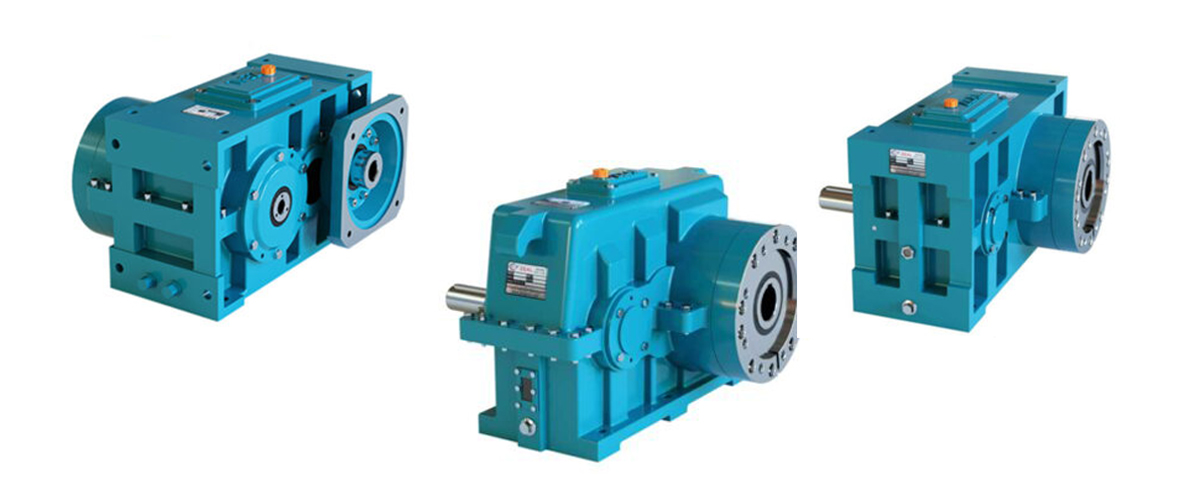
Whichever side of the decision you land on, Zeal Gears Pvt. Ltd., a helical gearbox manufacturer based in Ahmedabad, Gujarat, supports both paths. For plants that need a new unit, Zeal Gears’ Extruder Helical Gearbox range covers single-stage, two-stage, and two-stage-with-oil-pump configurations across universal and vertical mounting options, engineered for the continuous torque and thrust demands of plastic, rubber, and food-processing extrusion lines — so a replacement unit is correctly matched to your actual process requirements rather than a generic substitute.
For gearboxes where the housing and core components are still sound, Zeal Gears’ gear box services include repair and rebuilding using genuine spare parts, giving plants an honest, inspection-based option rather than an automatic push toward a new unit. This combination means the recommendation you get is based on the actual condition of your gearbox, not on which outcome is easier to sell.
FAQs on Extruder Gearbox Replacement
Q1. How long does an extruder gearbox typically last before it needs replacement?
Service life varies widely based on duty cycle, load, and maintenance quality, but a well-maintained extruder gearbox running continuous duty can reasonably be expected to last many years, while a poorly maintained unit under the same load may need major work far sooner. Consistent lubrication, alignment checks, and load management are the biggest factors extending useful life.
Q2. Is it ever worth rebuilding a gearbox more than once?
It can be, as long as each rebuild addresses a genuinely different, isolated issue and the housing and shaft condition remain sound. If the same component keeps failing across multiple rebuilds, that pattern itself is a signal that the underlying cause hasn’t been fixed, and replacement should be seriously considered instead of a third or fourth repair.
Q3. What does it cost to replace an extruder gearbox compared to rebuilding it?
Costs vary significantly by gearbox size and configuration, but the general industry guideline is that rebuilding remains economical as long as it costs meaningfully less than a new, installed unit. Once a rebuild quote approaches roughly 60% of new-unit cost, a new gearbox typically offers better long-term value because it includes a warranty and a known service life.
Q4. Can I keep running an undersized extruder gearbox if it hasn’t failed yet?
Running a gearbox consistently beyond its rated torque, speed, or thrust capacity accelerates wear on bearings, gear teeth, and seals, even before an outright failure occurs. It’s usually only a matter of time before an undersized gearbox fails, and by then the failure is often more severe and more expensive to address than a planned upgrade would have been.
Q5. What’s the biggest mistake plants make in the repair vs. replace decision?
The most common mistake is deciding under time pressure, right after an unplanned failure, without a proper inspection to confirm the actual root cause and housing condition. This often leads to either an unnecessary full replacement of a gearbox that could have been economically rebuilt, or a rushed repair on a unit that needed replacing, which then fails again within months.
Q6. Does replacing an old gearbox with a new one always mean upgrading capacity too?
Not necessarily, but it’s worth checking. Replacement is the natural point to confirm the new unit is correctly rated for your current production output, since a like-for-like swap only makes sense if your process demands haven’t changed since the original gearbox was specified.
Key Takeaways
The decision to replace an extruder gearbox rarely comes down to a single dramatic failure — it usually comes down to housing condition, whether a failure is isolated or repeating, whether the unit still matches current process demands, and a straightforward cost comparison against a new unit. A rebuild makes sense when the housing is sound and the cost stays well below that of a new gearbox; replacement makes sense once the housing is compromised, the same failure keeps recurring, the gearbox is undersized for current output, or rebuild cost approaches new-unit territory. Getting a proper inspection before deciding — rather than choosing under the pressure of an active shutdown — is what turns this from a gamble into a sound capital decision.
If you’re weighing repair against replacement on an extruder gearbox, contact Zeal Gears for an honest, inspection-based assessment and a free quote on either path.
